
Nothing better illustrates the utter mindboggling craziness of neoclassical economics, than its Nobel laureate in environmental economics.
Posts
2025
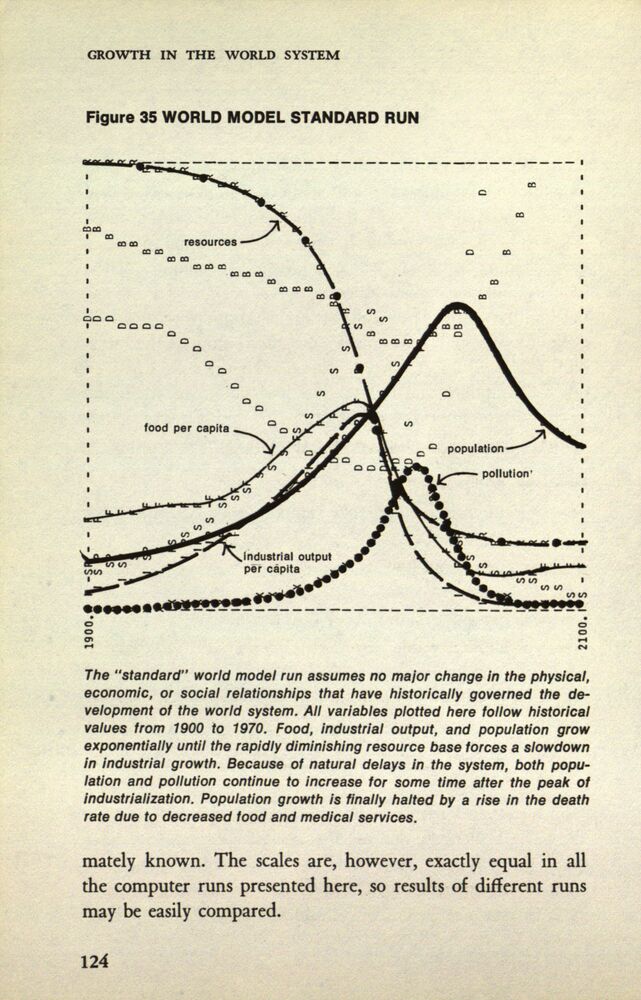
The mess we’re in was not only foreseeable; it was foreseen. In 1972 a landmark paper was published: The Limits to Growth (Meadows et al. 1972), hereafter simply called Limits. It’s been called “the most influential science paper of the last 50 years”.
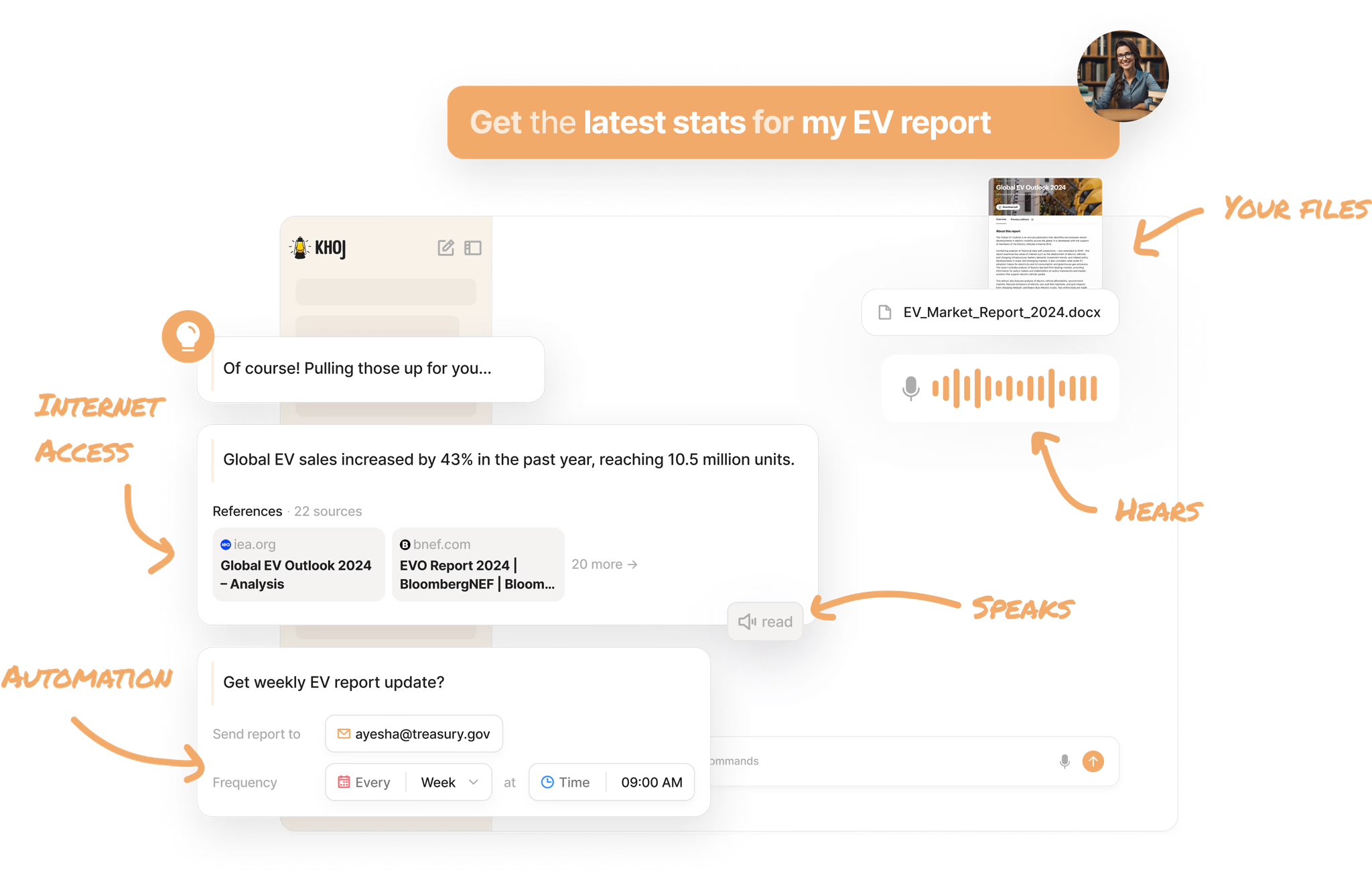
Is it possible to maintain digital autonomy and still work with AI? To find out, I experimented with a privacy-preserving open source AI solution for working with your personal files. The results were underwhelming.
Welcome back to Dark Edge, my future-oriented blog, tracking the unfolding of the polycrisis. I write about systems resilience in the face of collapse, and digital autonomy as a way to take back control over the technology that surrounds us.
I love to fly. But it burns the planet. With a conference in Finland coming up, I’m facing tough choices. Either I fly and am an asshole again; or I’ll spend three days and a boatload of money to get to Jyväskylä, and another three days to get back home.
A summary of the links shared in a fascinating Mastodon thread about the current AI hype cycle and the bubble that’s about to pop.


2020
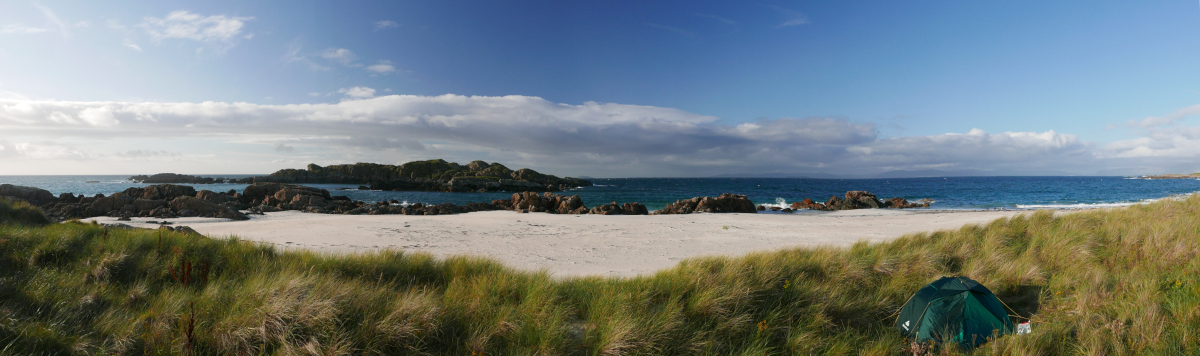
Alone without food in the wild: I never felt more alive.
World collapse invites spiritual transformation (part two).
World collapse invites spiritual transformation (part one).
Turns out, we are in less danger of an Arctic climate tipping point, than I thought we are.


2008
The Great Financial Crisis of 2008 makes clear that in a networked world, we need new, networked ways of thinking about the world.